
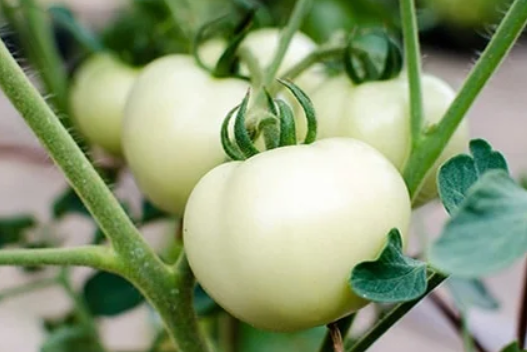
Potential Role of Colourless Carotenoids from XIOMATO™ White Tomato Extract in Skin Health: Synergistic Perspectives with Glutathione
Abstract
Carotenoids are naturally occurring compounds recognized for their antioxidant properties and their ability to contribute to protection against ultraviolet (UV)-induced damage. Their photoprotective activity may be further enhanced when they are combined with other antioxidant ingredients, potentially producing complementary or synergistic effects. Beyond photoprotection, dietary carotenoids have attracted considerable attention for their possible influence on skin hydration, texture, elasticity and overall dermal appearance.
Among these compounds, the colourless carotenoids phytoene (PT) and phytofluene (PTF), which can be obtained from white tomato extract like brand XIOMATO™, have emerged as interesting candidates in the field of skin nutrition. Their structural characteristics distinguish them from conventional coloured carotenoids and allow them to absorb radiation within parts of the UV spectrum.
Glutathione (GSH), meanwhile, is an important endogenous antioxidant associated with cellular redox balance and regulation of melanogenesis. The complementary actions of colourless carotenoids and glutathione therefore present an interesting nutritional approach for supporting photoprotection, controlling oxidative stress and maintaining an even and healthy-looking skin tone.
This review discusses the biological importance of phytoene and phytofluene derived from white tomato, their potential contribution to skin photoprotection and healthy ageing, and their possible complementary relationship with glutathione in pathways associated with oxidative stress and melanin formation.
Introduction
Human skin represents the body's primary external protective barrier and is composed of multiple cellular layers. Within the basal layer of the epidermis, melanocytes synthesize melanin and transfer it to surrounding keratinocytes. Melanin is therefore one of the principal determinants of visible skin colour.
Skin appearance, however, is not influenced by melanin alone. Naturally occurring pigments such as carotenoids can accumulate within human skin and contribute measurably to its colour and appearance. Carotenoids are synthesized primarily by photosynthetic organisms and cannot be produced de novo by the human body. Consequently, they must be obtained through dietary sources.
Plants—including fruits, vegetables, roots, flowers and seeds—represent major dietary sources of carotenoids. In addition to functioning as pigments, several carotenoids possess important biological properties. Certain carotenoids serve as precursors of vitamin A, while many others contribute antioxidant activity and may support physiological defence mechanisms against oxidative stress.
The concept of nutritional photoprotection has therefore received increasing scientific interest. Instead of relying exclusively on external photoprotective measures, dietary compounds capable of accumulating in tissues may provide an additional internal layer of protection against environmental and UV-related oxidative stress.
Among the hundreds of naturally occurring carotenoids, phytoene and phytofluene are particularly interesting because they are essentially colourless and possess distinctive absorption characteristics. These compounds have attracted attention for their bioavailability, antioxidant potential and possible applications in skin-health formulations.
White or pale tomato varieties can provide a distinctive carotenoid profile containing phytoene and phytofluene. This has encouraged investigation of white tomato-derived ingredients for applications in functional foods, dietary supplements, nutraceuticals and nutricosmetics.
The concept is particularly relevant to the emerging “beauty from within” category, in which nutritional ingredients are used to support skin health through systemic mechanisms rather than exclusively through topical application.
At the same time, human skin is continuously exposed to reactive oxygen species generated both internally through normal cellular metabolism and externally through environmental factors such as UV radiation. Excessive oxidative stress can influence skin ageing, inflammation, pigmentation and structural integrity.
Glutathione represents one of the body's major endogenous antioxidant defence molecules and has additionally been investigated for its involvement in melanogenesis. This creates an interesting scientific rationale for examining colourless tomato carotenoids together with the glutathione antioxidant system.
The purpose of this review is therefore to examine the potential contribution of phytoene- and phytofluene-rich white tomato extract to skin health and to discuss how these compounds may complement glutathione-associated mechanisms involved in antioxidant defence, photoprotection and regulation of pigmentation.
Role of Dietary Carotenoids in Skin
Phytoene and phytofluene are two important colourless carotenoids found in the human diet. Like other carotenoids, their molecular structures contain conjugated double bonds; however, they contain fewer conjugated bonds than highly coloured carotenoids.
Phytoene contains approximately three conjugated double bonds, while phytofluene contains approximately five. This structural difference accounts for several of their distinctive physicochemical characteristics.
Unlike carotenoids that absorb strongly within the visible spectrum, phytoene and phytofluene absorb predominantly within parts of the ultraviolet spectrum. Their absorption characteristics extend into UVB and UVA wavelengths, creating considerable interest in their potential contribution to endogenous photoprotection.
Another distinguishing feature is their molecular configuration. Whereas many commonly consumed carotenoids occur predominantly as trans-isomers, phytoene and phytofluene can occur in substantial proportions as cis-isomers.
Human plasma contains several major carotenoids, including lutein, zeaxanthin, β-cryptoxanthin, β-carotene, α-carotene and lycopene. Phytoene and phytofluene are present at lower concentrations but are increasingly being investigated because of their absorption, distribution and antioxidant properties.
Tomatoes represent an important dietary source of carotenoids. Conventional red tomatoes are particularly associated with lycopene, while selected pale or white tomato varieties may offer a carotenoid profile richer in colourless carotenoids such as phytoene and phytofluene.
Once consumed and absorbed, dietary carotenoids can reach peripheral tissues, including the skin. Their presence within skin provides a plausible biological basis for their potential contribution to antioxidant defence and photoprotection.
Colourless Carotenoids, Skin Ageing and Photoprotection
Skin ageing results from the interaction between intrinsic biological ageing and external environmental influences.
Intrinsic ageing occurs progressively as part of normal biological processes. In contrast, extrinsic ageing is influenced by environmental exposure, with chronic ultraviolet radiation being one of the most significant contributors. UV-associated skin ageing is commonly referred to as photoageing.
Photoaged skin may exhibit changes including loss of elasticity, dryness, wrinkles, uneven pigmentation and alterations in overall skin appearance.
One of the principal mechanisms connecting UV exposure with skin ageing is the excessive formation of reactive oxygen species (ROS). When ROS generation exceeds the skin's antioxidant capacity, oxidative stress can damage cellular lipids, proteins and nucleic acids and may influence inflammatory and pigmentation-related pathways.
Dietary carotenoids may contribute to the body's defence against this process because of their capacity to interact with reactive species and participate in antioxidant mechanisms.
Several carotenoids—including β-carotene, lycopene, lutein, zeaxanthin, phytoene and phytofluene—have been studied for their ability to support skin antioxidant defence.
Dietary supplementation with carotenoid-rich preparations has also been investigated for its potential to reduce UV-induced erythema and other indicators of photodamage. Importantly, nutritional photoprotection should be regarded as complementary to conventional topical sun protection rather than as a replacement for sunscreen.
Carotenoids may additionally influence cellular antioxidant signalling pathways. Certain carotenoids and their metabolites have been associated with modulation of transcriptional systems such as Nrf2 and NF-κB.
Nrf2 plays an important role in regulating endogenous antioxidant-response genes. Activation of this pathway can influence enzymes involved in cellular defence, including glutathione-related enzymes, NAD(P)H quinone oxidoreductase and superoxide dismutase.
This suggests that the biological effects of carotenoids may extend beyond direct free-radical quenching and could involve modulation of the body's own antioxidant defence mechanisms.
Tomato-derived carotenoid supplementation has also been investigated in relation to skin hydration, barrier function, redness and other parameters associated with photoageing. Collectively, these observations provide a scientific basis for considering tomato carotenoids as nutritional components that may support skin resilience against environmental oxidative stress.
XIOMATO™White Tomato Extract as a Source of Phytoene and Phytofluene
XIOMATO™ White tomato extract is of particular interest because selected tomato varieties can provide substantial amounts of the colourless carotenoids phytoene and phytofluene.
Unlike lycopene, which gives conventional tomatoes their characteristic red colour, phytoene and phytofluene have minimal visible coloration. This characteristic makes them particularly interesting for applications in nutricosmetics and skin-health supplements.
The proposed skin benefits of white tomato carotenoids are primarily associated with three biological characteristics:
-
their ability to absorb wavelengths within portions of the ultraviolet spectrum;
-
their antioxidant properties; and
-
their potential interaction with endogenous cellular antioxidant systems.
Because phytoene and phytofluene can accumulate in tissues following dietary consumption, regular intake may provide a systemic nutritional approach to supporting skin defence.
However, the effects of nutritional carotenoids develop gradually. They should therefore be viewed as components of long-term skin-health support rather than as immediate substitutes for topical dermatological interventions.
Glutathione and Skin Physiology
Glutathione is a naturally occurring tripeptide composed of glutamate, cysteine and glycine. It is widely distributed throughout human tissues and represents one of the body's most important intracellular antioxidants.
Glutathione exists principally in two interconvertible forms:
Reduced glutathione (GSH) and oxidized glutathione (GSSG).
Under normal physiological conditions, cells maintain a relatively high proportion of glutathione in its reduced form. During oxidative stress, GSH participates in antioxidant reactions and can subsequently be converted into GSSG.
The enzyme glutathione reductase assists in converting oxidized glutathione back into reduced glutathione, thereby helping maintain intracellular redox balance.
Glutathione participates in several protective mechanisms. It can interact directly with reactive species, contribute to detoxification pathways and serve as a substrate for antioxidant enzymes such as glutathione peroxidase.
Beyond antioxidant defence, glutathione has attracted attention for its potential involvement in melanogenesis.
Melanin synthesis is controlled by a complex biochemical network involving melanocytes, tyrosinase activity and signalling molecules. Glutathione has been proposed to influence this process through several mechanisms, including antioxidant activity, effects on melanogenic enzymes and possible shifts in melanin synthesis toward lighter pheomelanin rather than darker eumelanin.
For this reason, oral glutathione has been investigated in human studies examining changes in skin pigmentation. Nevertheless, variability in oral absorption, formulation, dosage and study design means that its clinical effects remain an area requiring further investigation.
Potential Relationship Between Colourless Carotenoids XIOMATO™ and the Glutathione System
The combination of phytoene- and phytofluene-rich XIOMATO™ white tomato extract with the glutathione antioxidant system presents an interesting mechanistic hypothesis.
Phytoene and phytofluene primarily contribute through photoprotective and antioxidant mechanisms, whereas glutathione participates in intracellular redox regulation and may additionally influence pathways involved in melanogenesis.
Together, these mechanisms could theoretically provide complementary protection against UV-associated oxidative stress.
One potentially important link is glutathione reductase.
During antioxidant reactions, reduced glutathione can be converted into oxidized glutathione. Glutathione reductase subsequently helps regenerate reduced glutathione, supporting maintenance of the intracellular GSH pool.
Experimental observations cited in the literature suggest that tomato-derived preparations rich in phytoene and phytofluene may influence glutathione-related antioxidant parameters, including glutathione reductase activity.
If such effects are consistently confirmed, white tomato carotenoids could potentially contribute indirectly to maintaining endogenous glutathione activity rather than functioning solely as independent antioxidants.
This provides a potential biological sequence:
White tomato carotenoids
→ Phytoene + Phytofluene
→ Antioxidant and UV-associated photoprotective activity
→ Support of endogenous antioxidant systems
→ Glutathione/Glutathione reductase pathways
→ Reduced oxidative burden
→ Support for normal melanogenesis and healthy skin tone
This proposed relationship is particularly interesting because oxidative stress and pigmentation pathways are biologically interconnected.
UV exposure can increase reactive oxygen species within epidermal cells, and oxidative signalling can subsequently influence melanogenic activity. Reducing excessive oxidative stress may therefore indirectly contribute to maintaining more balanced pigmentation.
Glutathione may provide an additional mechanism through its proposed direct influence on melanogenesis.
Thus, rather than viewing white tomato carotenoids and glutathione as identical depigmenting agents, they may be more appropriately considered complementary biological systems: carotenoids primarily contributing to photoprotection and antioxidant defence, and glutathione contributing to cellular redox homeostasis with additional involvement in pigmentation pathways.
XIOMATO™ White Tomato Extract and the Beauty-From-Within Concept
Nutricosmetics represent the intersection of nutrition, skin biology and cosmetic science. Unlike topical cosmetic products, orally consumed nutricosmetic ingredients are absorbed through the gastrointestinal tract and subsequently distributed through systemic circulation.
The skin can therefore receive nutritional compounds through endogenous pathways.
White tomato extract fits well within this concept because phytoene and phytofluene are dietary carotenoids capable of being absorbed and distributed into tissues.
The proposed benefits are not limited to pigmentation. Carotenoid supplementation has been investigated in relation to:
-
protection against oxidative stress;
-
UV-associated photoprotection;
-
maintenance of skin hydration;
-
skin barrier support;
-
reduction of UV-associated erythema;
-
support for elasticity and texture; and
-
protection against processes associated with premature photoageing.
This broader biological profile suggests that white tomato extract may be more appropriately positioned as a skin-health and photoprotective nutritional ingredient rather than simply as a skin-lightening compound.
Such positioning also better reflects the current scientific evidence.
Limitations and Need for Further Research
Although the available literature provides an interesting scientific rationale for colourless carotenoids and glutathione in skin health, several limitations remain.
The clinical evidence specifically evaluating standardized white tomato extracts rich in phytoene and phytofluene remains considerably smaller than the broader body of research examining carotenoids such as lycopene and β-carotene.
Additionally, differences in tomato varieties, extraction techniques, carotenoid concentrations, formulations, study populations and intervention periods make direct comparisons between studies difficult.
Glutathione research presents similar challenges. Oral bioavailability can vary, and clinical trials differ in dose, formulation, duration and pigmentation endpoints.
Importantly, mechanistic evidence demonstrating antioxidant activity should not automatically be interpreted as proof of clinically meaningful depigmentation.
Future randomized, double-blind, placebo-controlled human trials should therefore investigate standardized combinations of colourless tomato carotenoids and glutathione-related nutritional interventions using validated endpoints such as melanin index, skin colourimetry, UV-induced erythema, pigmentation scores and standardized dermatological imaging.
Longer-duration studies would also help determine whether improvements are maintained and whether continued supplementation produces cumulative benefits.
Conclusion
Dietary carotenoids represent an important component of the body's nutritional antioxidant network and may contribute to the protection of skin against oxidative and UV-associated stress.
Among these compounds, the colourless carotenoids phytoene and phytofluene, particularly when obtained from selected white tomato varieties, are emerging as promising ingredients for nutritional skin-health applications.
Their structural characteristics, UV absorption profile and antioxidant properties provide a plausible scientific basis for their use in photoprotective and beauty-from-within formulations.
Glutathione, meanwhile, plays a central role in intracellular antioxidant defence and has also been investigated for its involvement in melanogenesis.
The potential interaction between white tomato-derived colourless carotenoids and glutathione-associated antioxidant pathways therefore presents an interesting area for future research.
Rather than considering these compounds exclusively as skin-lightening agents, the available evidence supports a broader perspective in which phytoene, phytofluene and glutathione contribute to antioxidant defence, photoprotection, healthy ageing and maintenance of normal skin appearance.
Further well-designed human clinical studies are required to establish optimal doses, characterize long-term outcomes and determine the extent to which combining these nutritional approaches produces clinically meaningful synergistic effects.
